Period Front Doors: How to Replace the Wrong Door With One That Belongs
5.10.2026
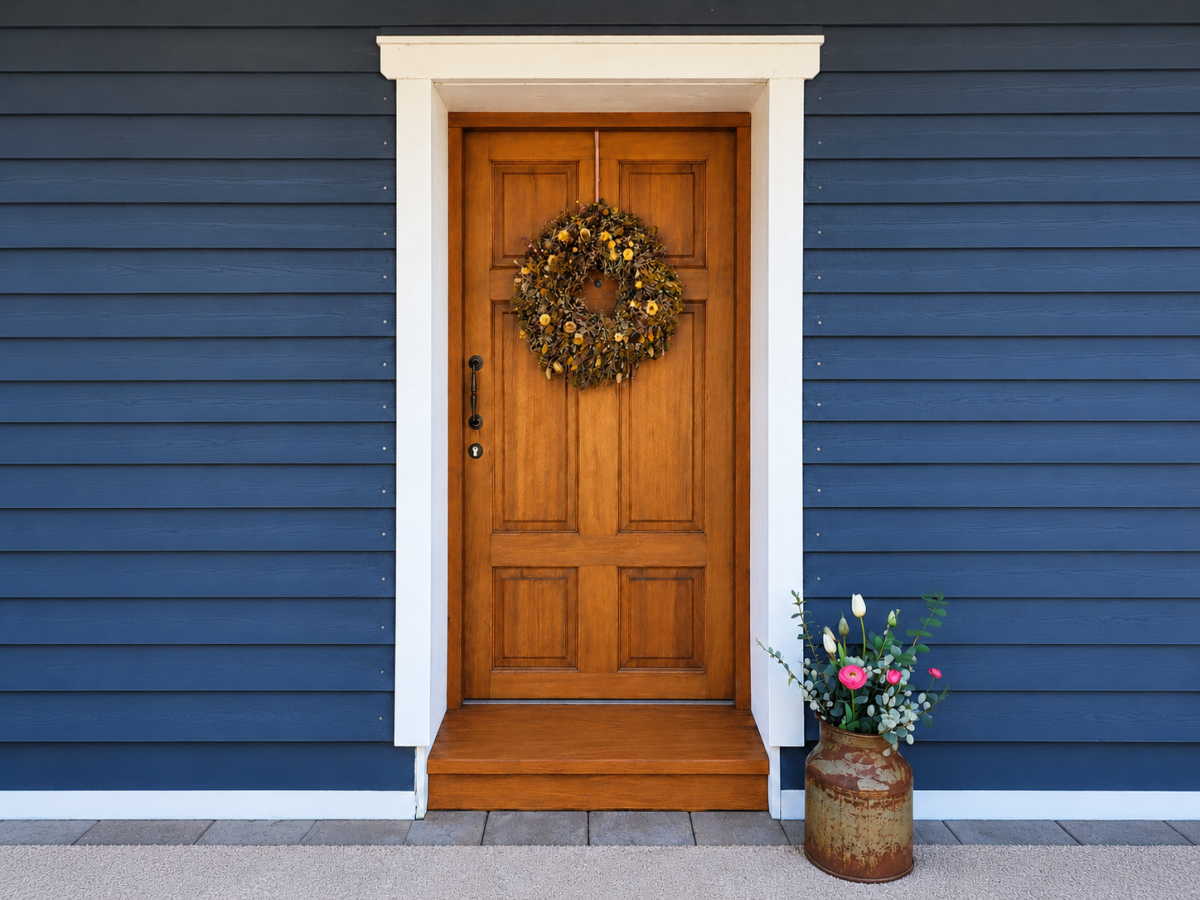
A beautiful Victorian terrace can lose much of its presence through one surprisingly small alteration: the wrong front door. Across Britain, period houses have been updated repeatedly over the decades. Original entrances have often disappeared, replaced by generic modern doors whose proportions, glazing or materials have little relationship to the architecture around them.
If that describes your house, choosing a new period front door offers an opportunity to restore something important: not necessarily the exact door that once stood there, but an entrance that looks as though it genuinely belongs. Historic England itself notes that replacing an inappropriate modern front door with a historically suitable style can improve the appearance of the whole house and restore its character.
Start with the architecture, not the catalogue
Before choosing a door, look at the building. Is the house Georgian, Victorian, Edwardian or influenced by another regional tradition? Study the proportions of the façade, window divisions, stonework, brick detailing and neighbouring houses. Old photographs can be particularly valuable. On a Victorian terrace, another house on the same street may even retain an entrance close to the original design. The aim is not historical theatre. It is architectural compatibility.
Georgian front doors: restraint and proportion
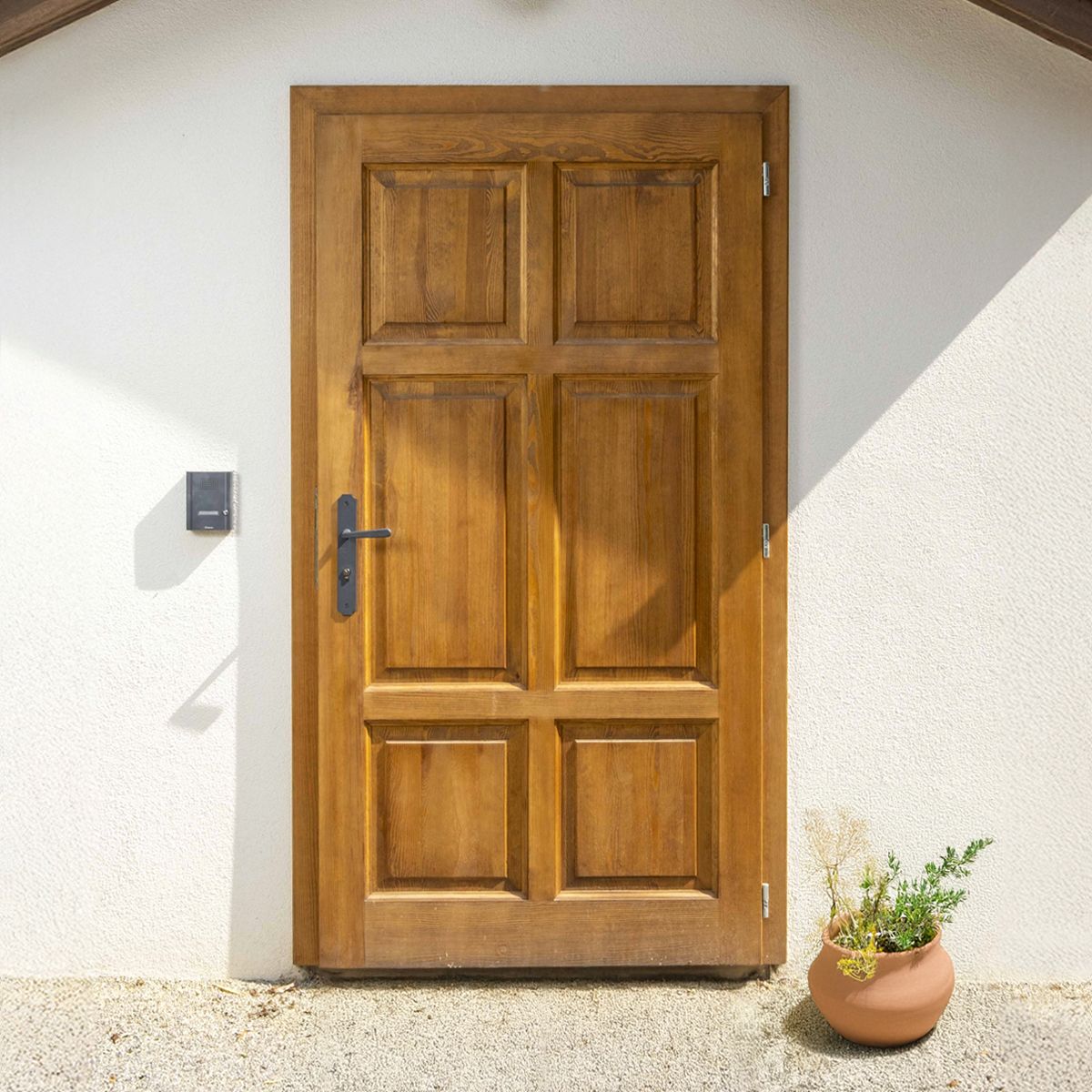
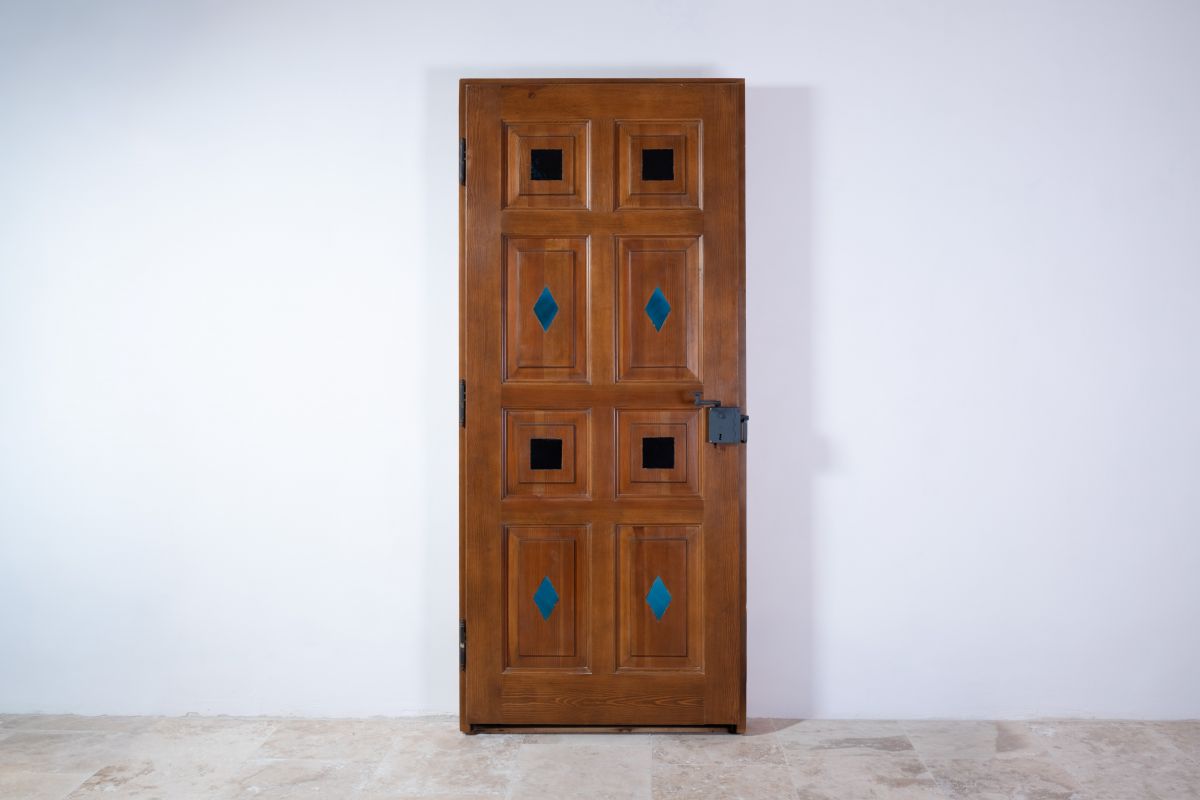
Georgian architecture is closely associated with symmetry, classical proportions and relatively restrained detailing. A Georgian style front door often works best when its panel arrangement is ordered rather than overly decorative. Six-panel configurations are particularly associated with classical architectural traditions, while fanlights can form an important part of the overall entrance. Doorista's Lucca, for example, uses the traditional six-panel composition and is produced as a new solid-pine door with modern sealing, insulation and security components. The important point is not to add every possible “heritage” feature. A convincing Georgian-inspired entrance is usually about proportion first.
Victorian entrances can carry more personality
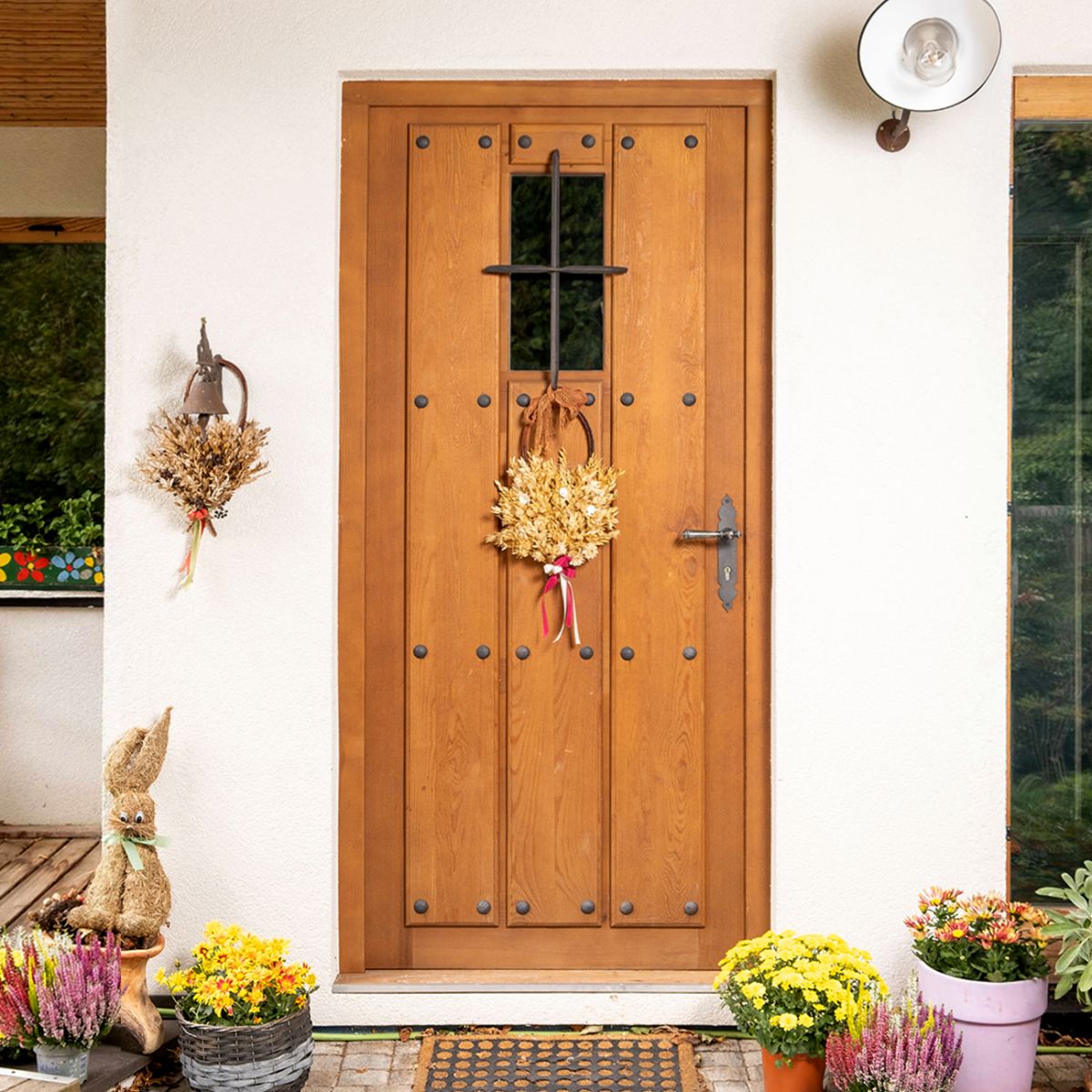
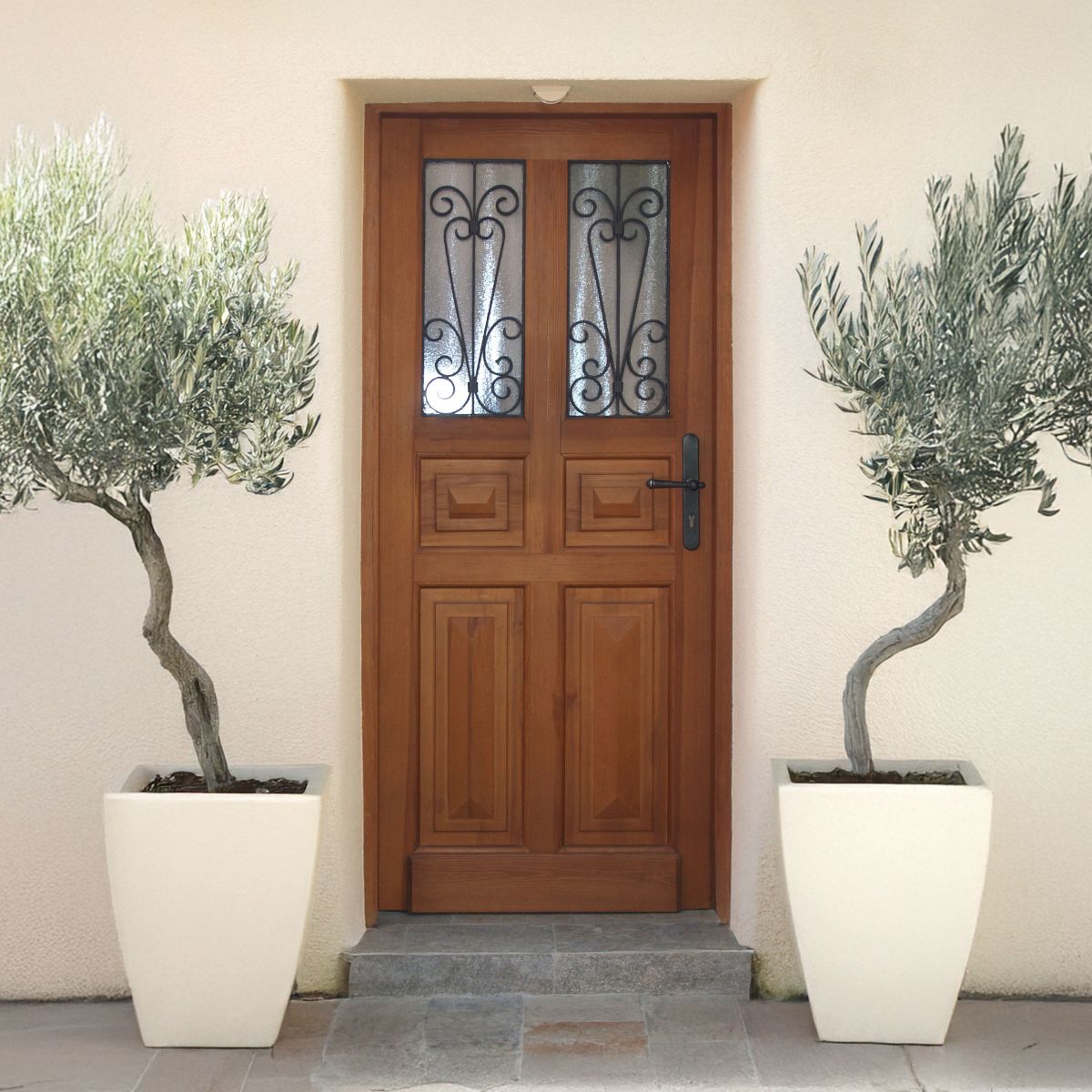
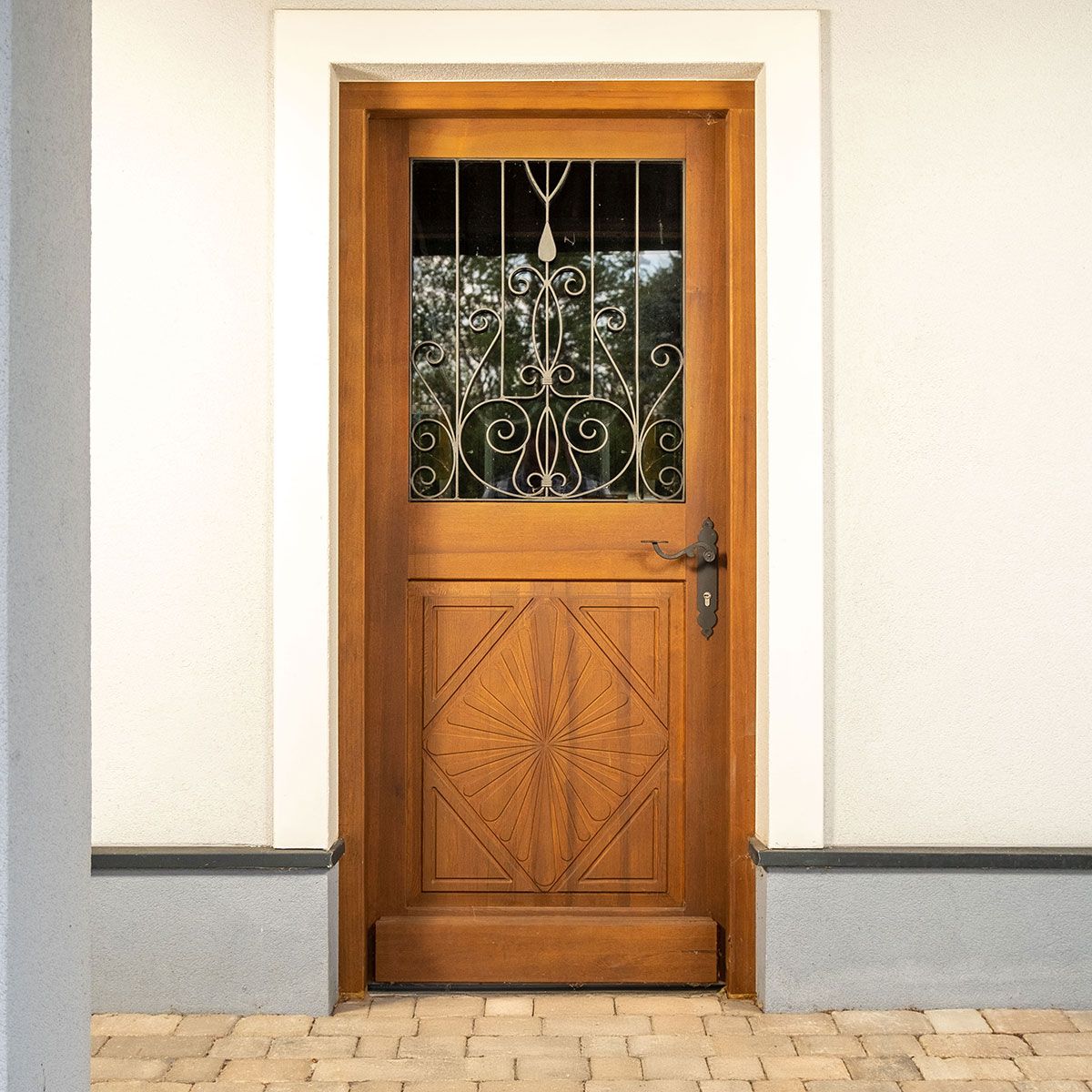
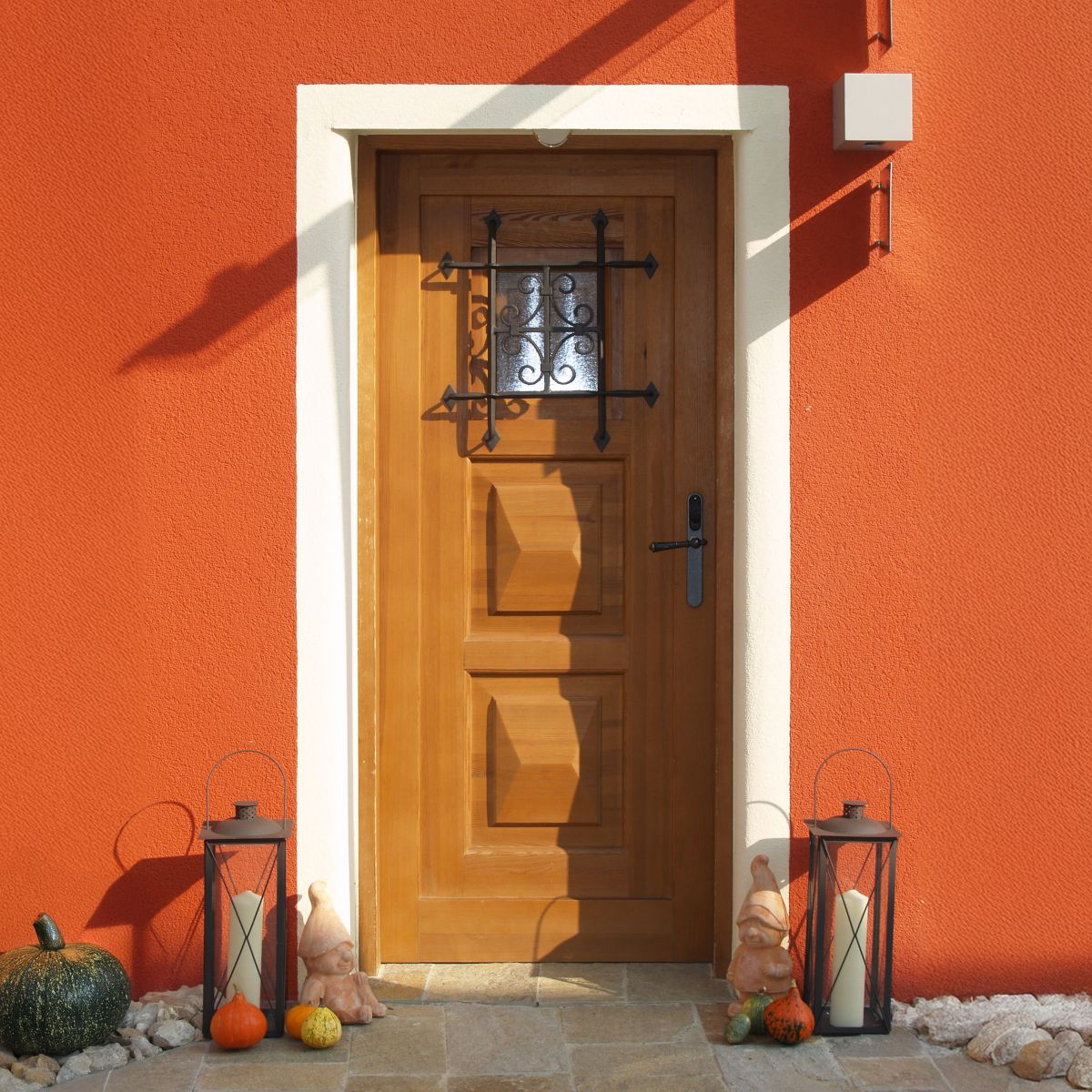
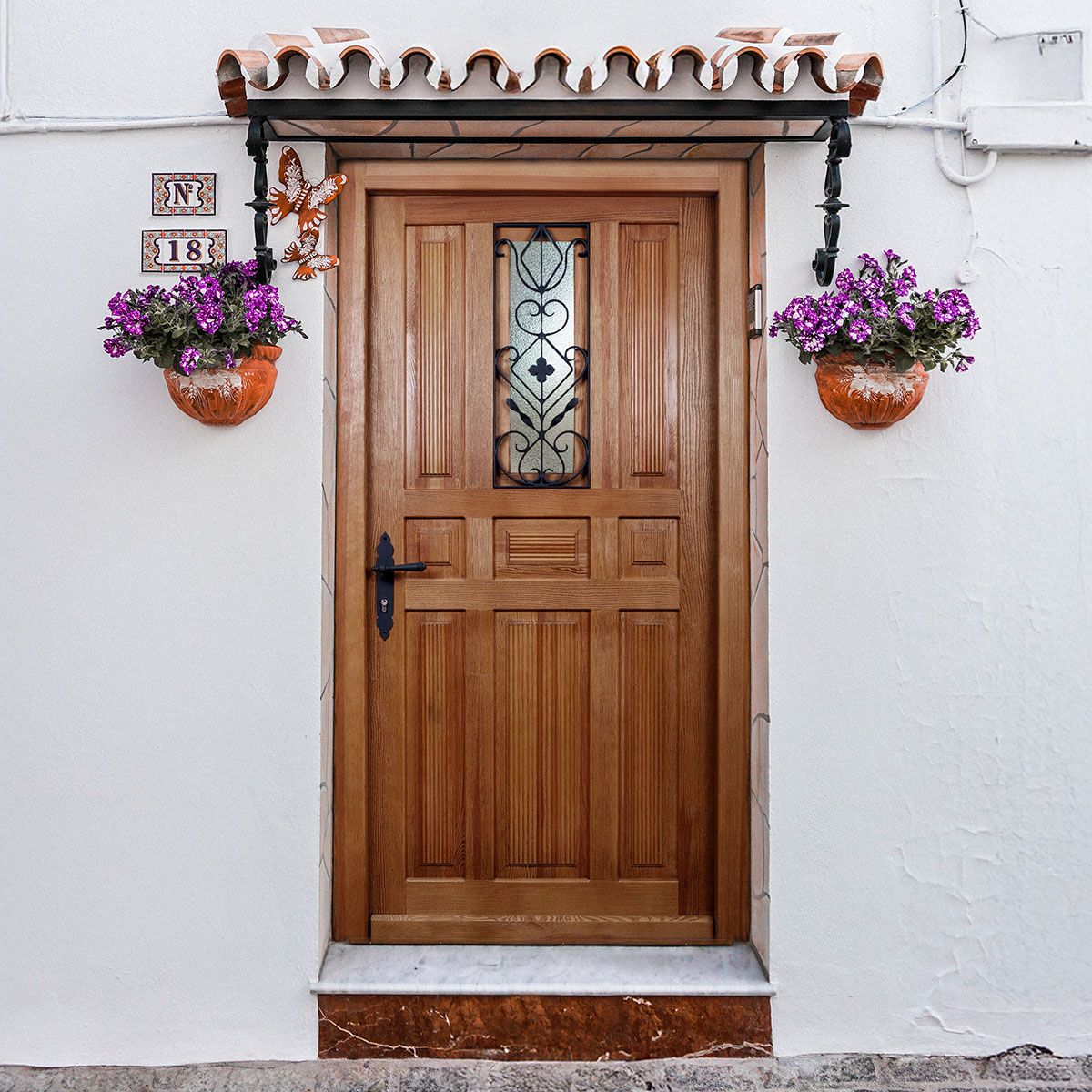
Victorian architecture covers a far broader range of styles. Depending on the house, a Victorian front door replacement might incorporate stronger panelling, glazed sections, decorative ironwork or more expressive colour. Look at the entire entrance rather than the door leaf alone. The relationship between the door, fanlight, sidelights, tiled path and surrounding brick or stone creates the final impression. A highly decorative door can look magnificent on the right house — and excessive on another.
Material matters
Bespoke dimensions can transform the result
Period houses are rarely perfectly standard. Historic openings may be taller, wider or simply differently proportioned from contemporary stock dimensions. Trying to force a standard door into such an opening can result in awkward infill panels or altered proportions. A bespoke front door for a period property allows the new door to respond to the building instead. Doorista offers custom solutions alongside its standard collection, allowing dimensions and design details to be adapted to individual projects. For architects and interior designers, that flexibility can be particularly valuable when the entrance needs to align with a wider restoration concept.
Traditional appearance does not require traditional performance
Choosing a historically sympathetic design does not mean commissioning a technically old-fashioned door. Doorista’s current entrance-door specifications demonstrate how traditional solid-wood designs can incorporate features such as double rebates, perimeter sealing, insulating glazing on relevant models and multi-point security systems. Specifications vary by model, so the individual product should always be checked. The result can therefore feel appropriate to an older façade while being newly manufactured for contemporary use.
What if the property is listed?
If your property is listed, replacing an external door may require Listed Building Consent where the change affects the building’s special architectural or historic character. Historic England recommends speaking to the local authority before proceeding. Conservation areas may also be subject to Article 4 Directions that restrict normally permitted alterations. This should be checked before commissioning the new door.
The best replacement should feel inevitable
A successful period front door should not look as though someone has recently “added a heritage door”. It should simply make the house look right. When panel proportions, materials, glazing, ironwork and dimensions respond to the architecture, a new front door can correct decades of unsympathetic alterations and return visual authority to the entrance.
Replacing an unsuitable front door is an opportunity to give a period house back one of its defining architectural features. Explore Doorista's handcrafted solid-wood entrance doors or discuss dimensions, finishes and bespoke adaptations in a personal consultation.
FAQ
What front door suits a Victorian house?
It depends on the specific architecture. Panelled timber doors, glazing and decorative ironwork can all work, but neighbouring original houses are often the best reference.
Can a Georgian-style door be newly manufactured?
Yes. Traditional proportions and panel arrangements can be combined with modern construction, sealing and security features.
Are bespoke front doors worth considering for period properties?
They are particularly useful where openings have unusual dimensions or where panel proportions and architectural details need to respond precisely to the house.