How to Preserve Character and Improve Comfort
28.9.2026
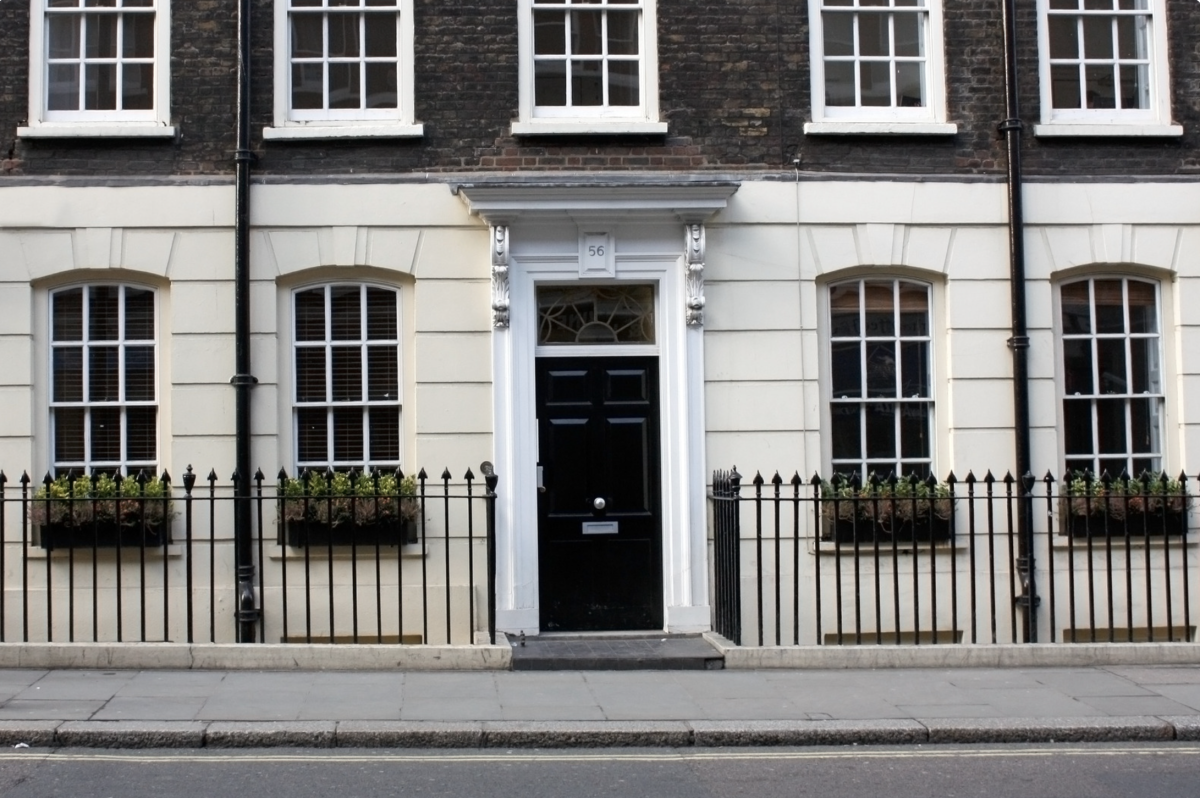
Renovating a period property is rarely about making an old house look new. The challenge is to improve comfort and functionality without removing the details that give the building its identity.
Victorian terraces, Georgian townhouses and Edwardian villas often contain original joinery, timber floors, fireplaces, panelled doors and decorative plasterwork alongside decades of later alterations. A successful renovation begins by understanding which elements genuinely contribute to the character of the house — and which can be changed without losing that character.
Before choosing colours, kitchens or a new front door, study the house itself. Look at the façade, windows, entrance, staircase, fireplaces, floors and internal doors. Old photographs, historic maps and neighbouring properties can offer useful clues about details that may have disappeared over time. The goal is not to recreate every missing feature. It is to identify what matters most. A surviving nineteenth-century staircase, for example, deserves a different approach from a modern partition wall added decades later.
Repair before replacing
Historic England recommends taking a whole-building approach when improving older properties. Condition, construction, moisture, ventilation and energy performance should be considered together rather than as separate problems. That often means beginning with practical repairs: leaking gutters, failed pointing, timber decay, poorly fitting windows or draughty doors. Improving the condition of existing fabric can already make a noticeable difference to comfort. In many cases, repairing and draught-proofing historic windows and doors is less intrusive than replacing them entirely.
Improve comfort without erasing character
Older houses can be comfortable without feeling like new-builds. Better draught control, repaired seals, improved heating controls and appropriate maintenance can reduce discomfort while preserving original fabric. More invasive measures such as insulation should be planned carefully, especially in traditionally constructed buildings where moisture behaves differently from modern construction. For larger projects, advice from architects, surveyors or conservation specialists experienced with historic buildings can help prevent expensive mistakes.
Why the front door matters so much
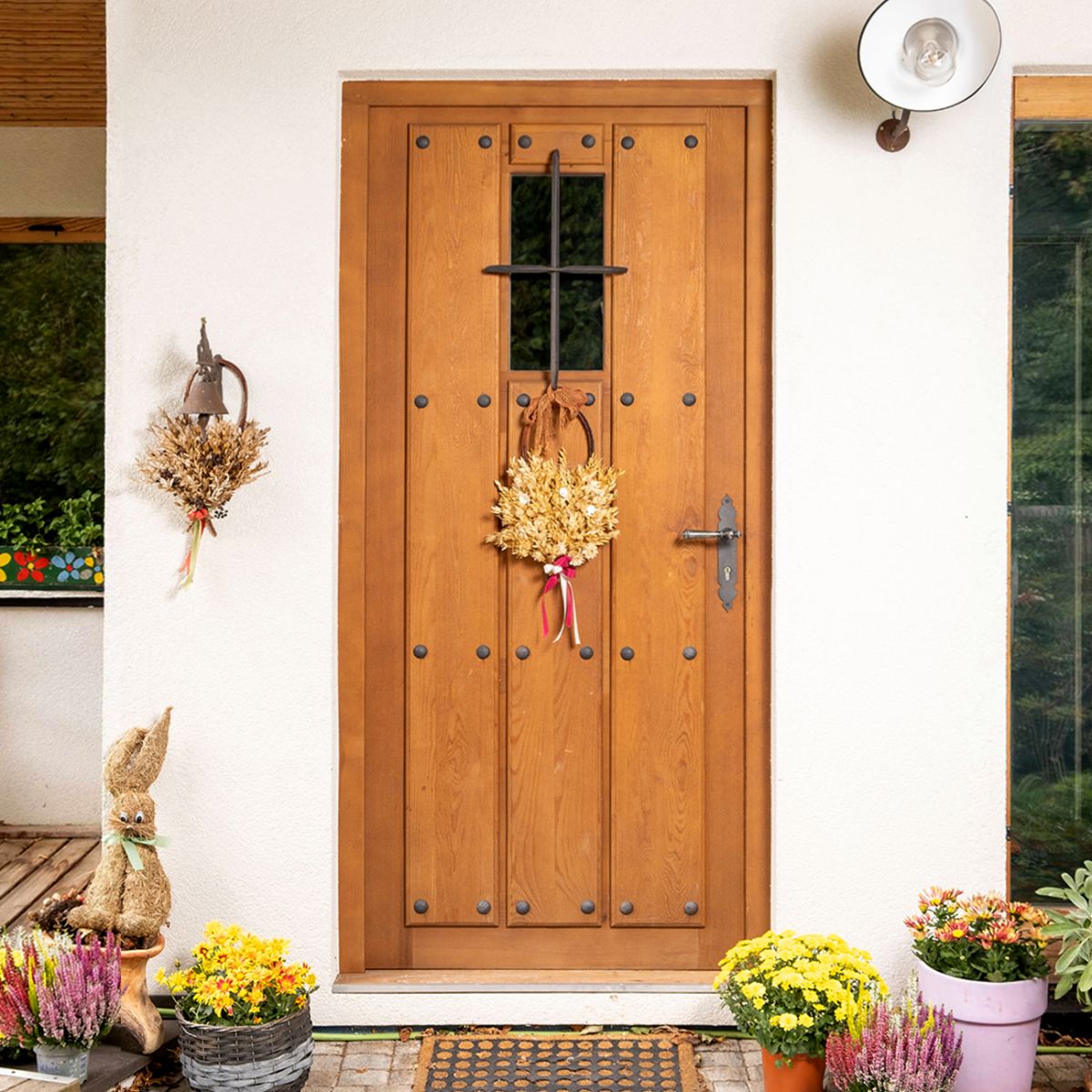
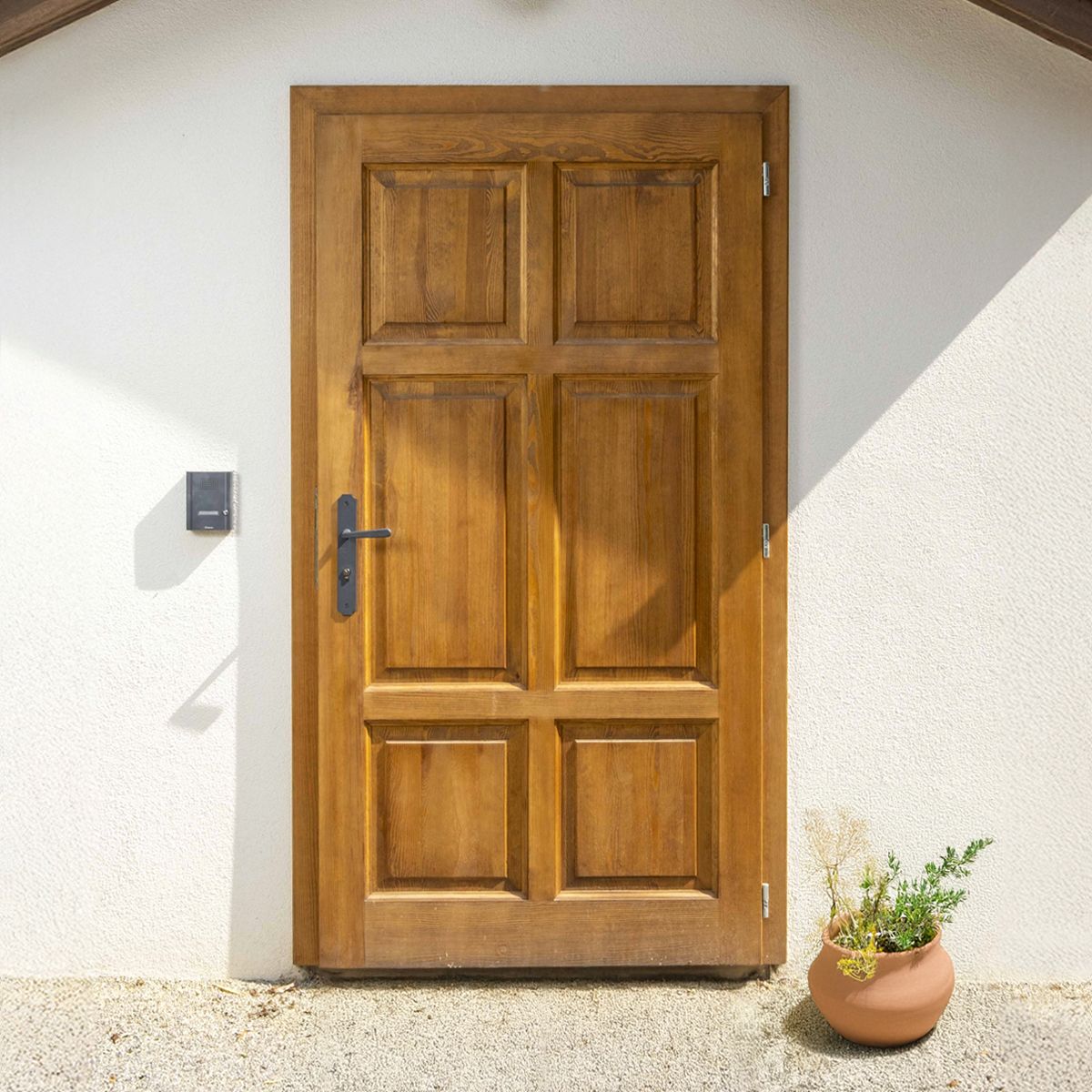
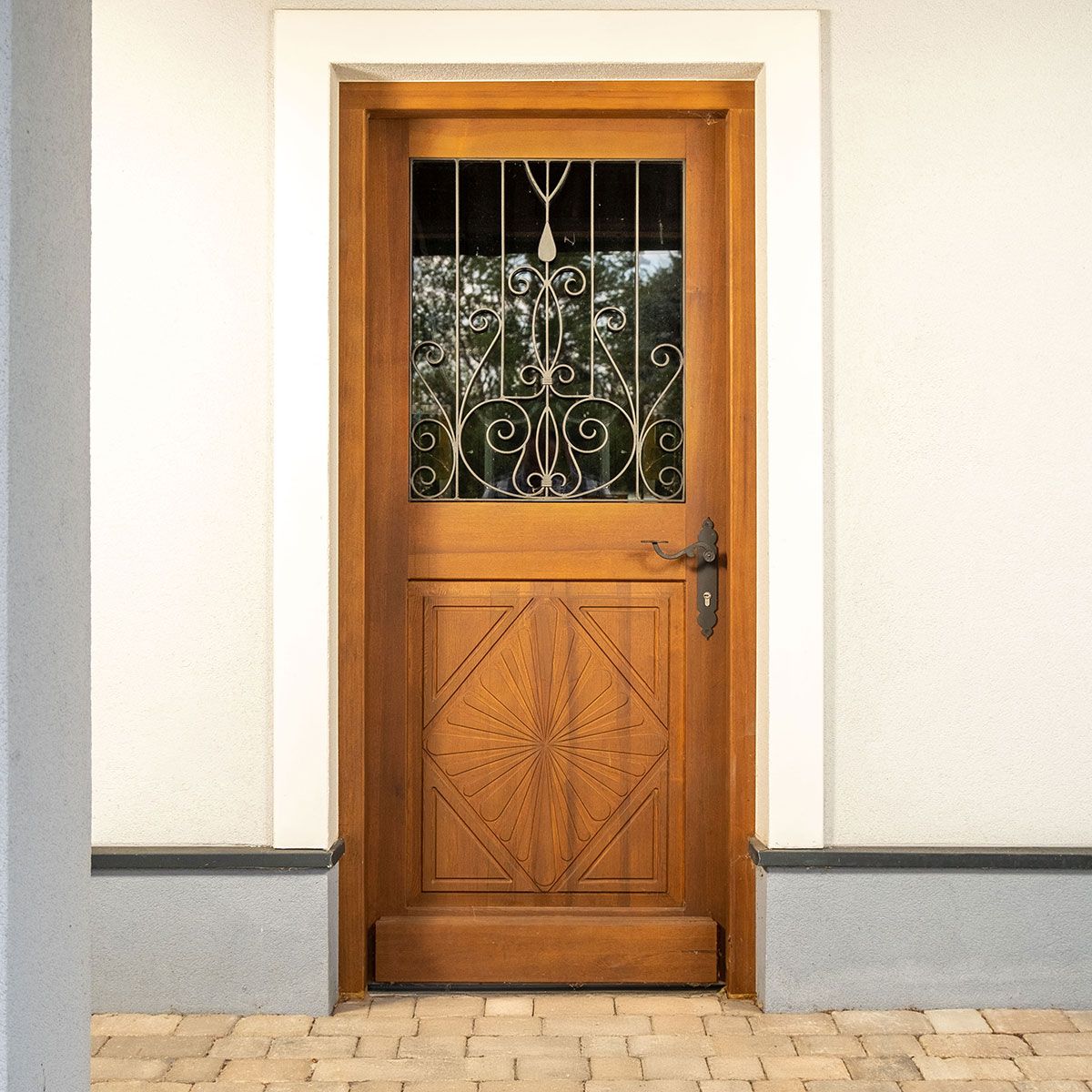
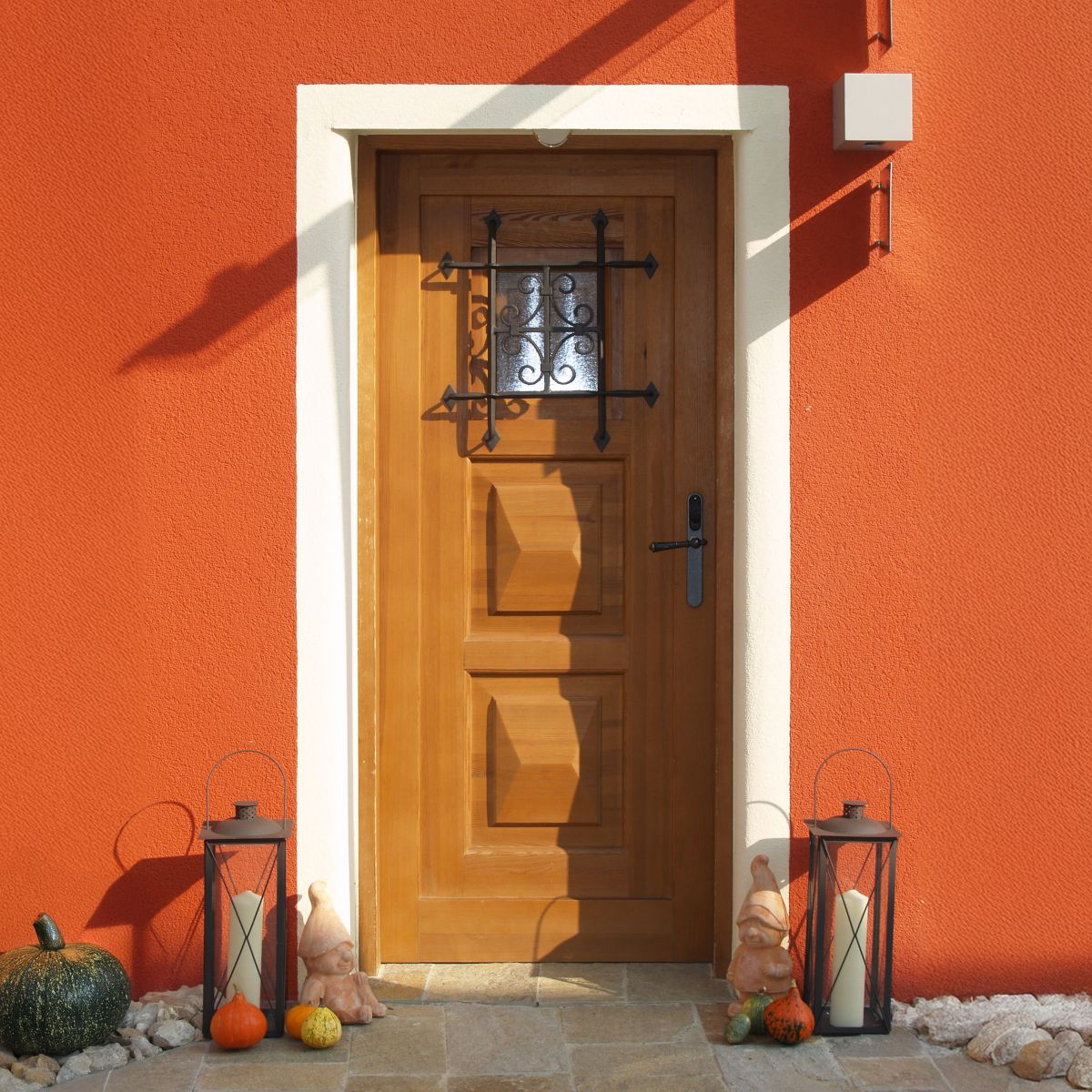
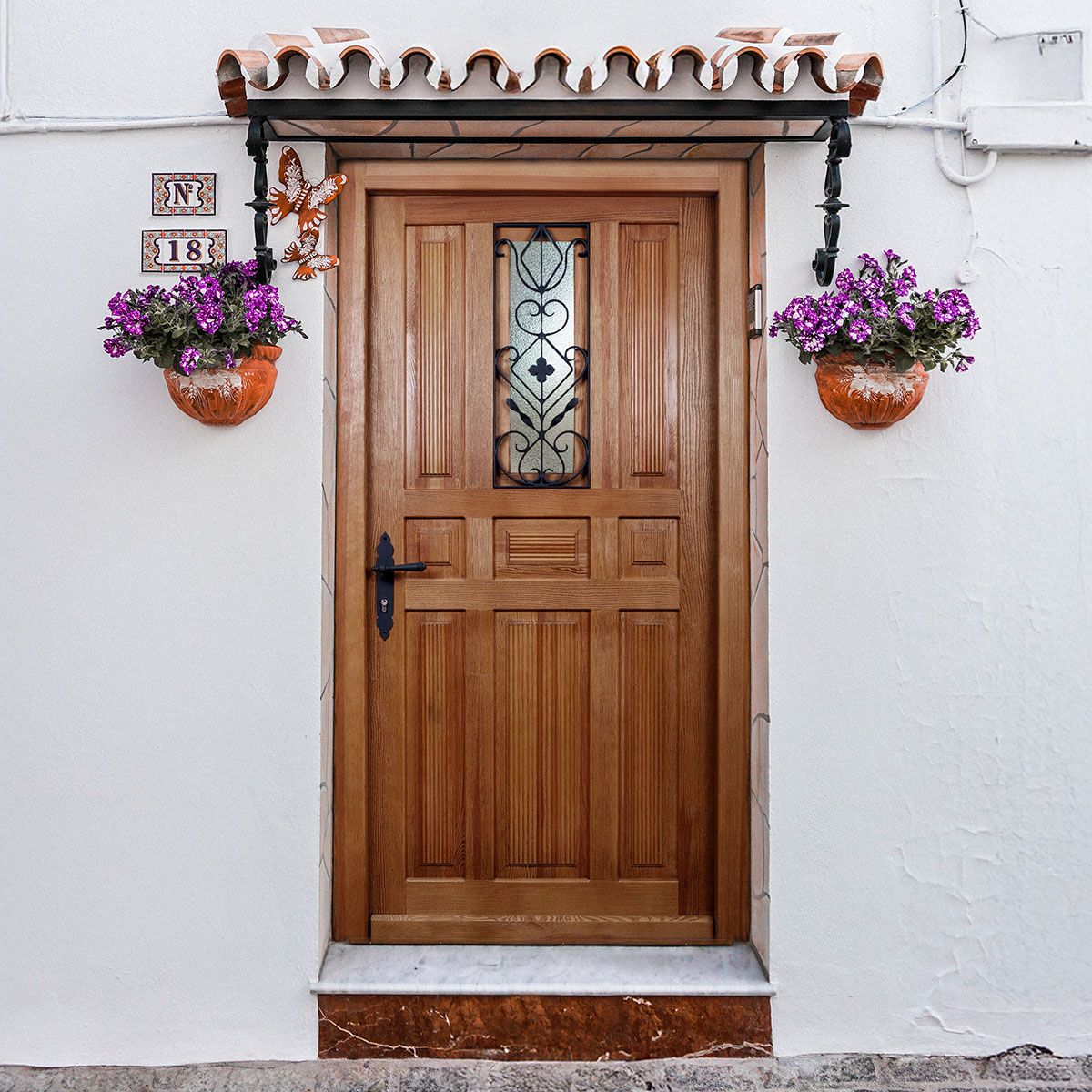
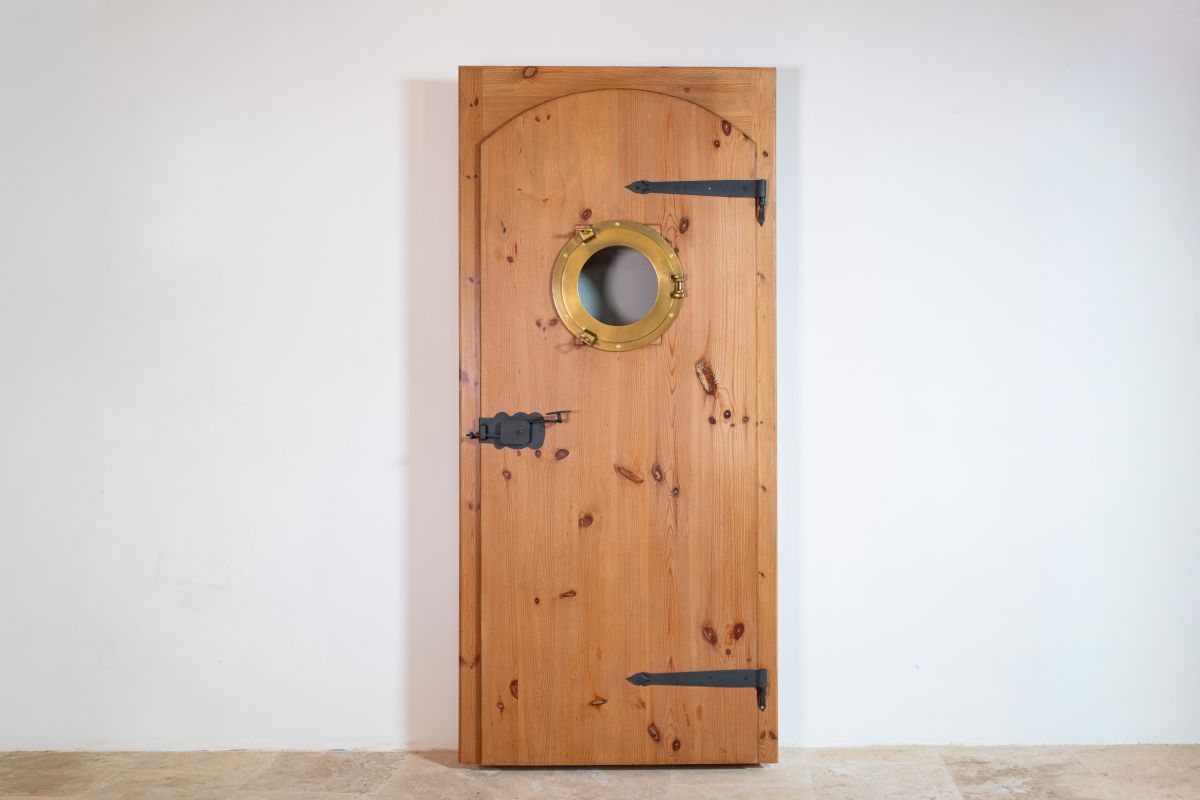
Few elements influence the first impression of a period house as strongly as its entrance. A front door is part of a wider composition that may include a fanlight, stone surround, tiled path, railings, porch and original frame. Replacing the door without considering these details can disturb the balance of the whole façade. When choosing period front doors, consider more than colour:
Proportion
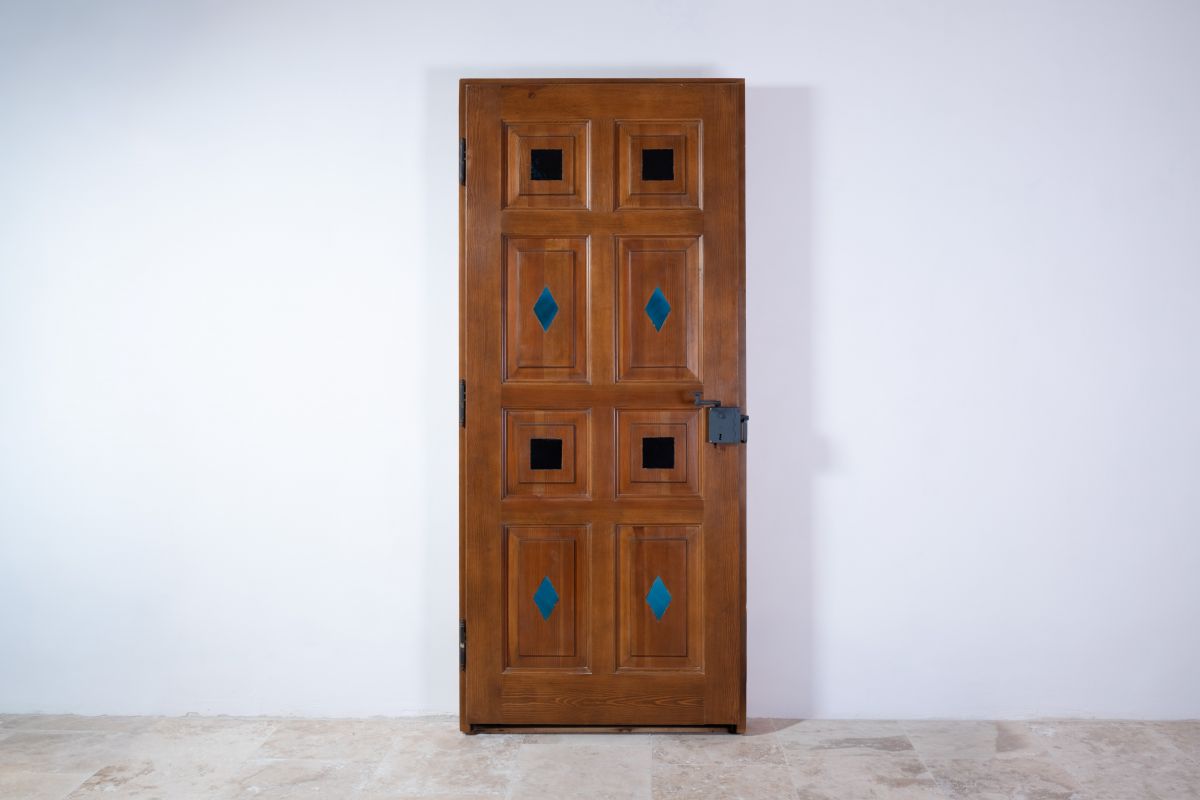
Panel sizes, glazing and the balance between rails and stiles should suit the architecture of the house.
Material
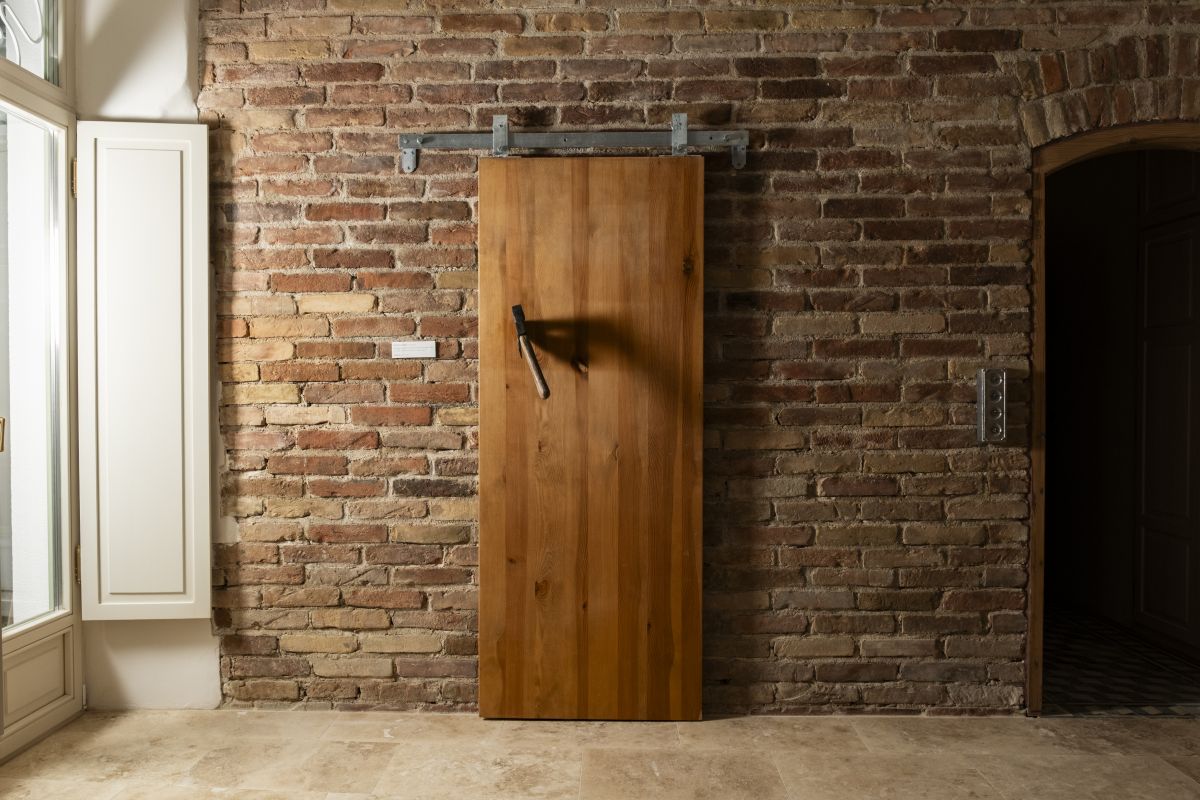
For many historic properties, a timber front door works naturally with existing joinery and traditional materials.
Glazing and ironmongery
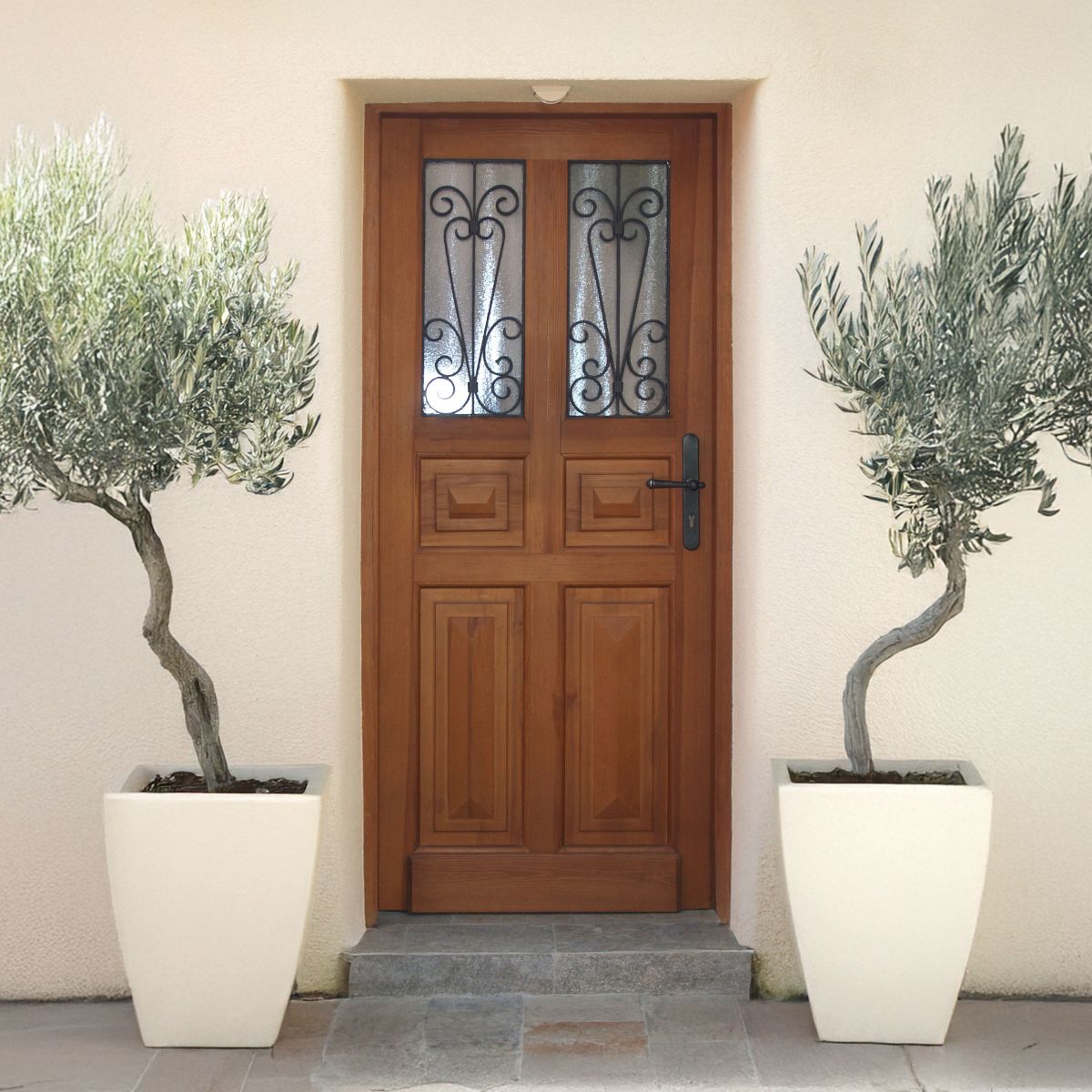
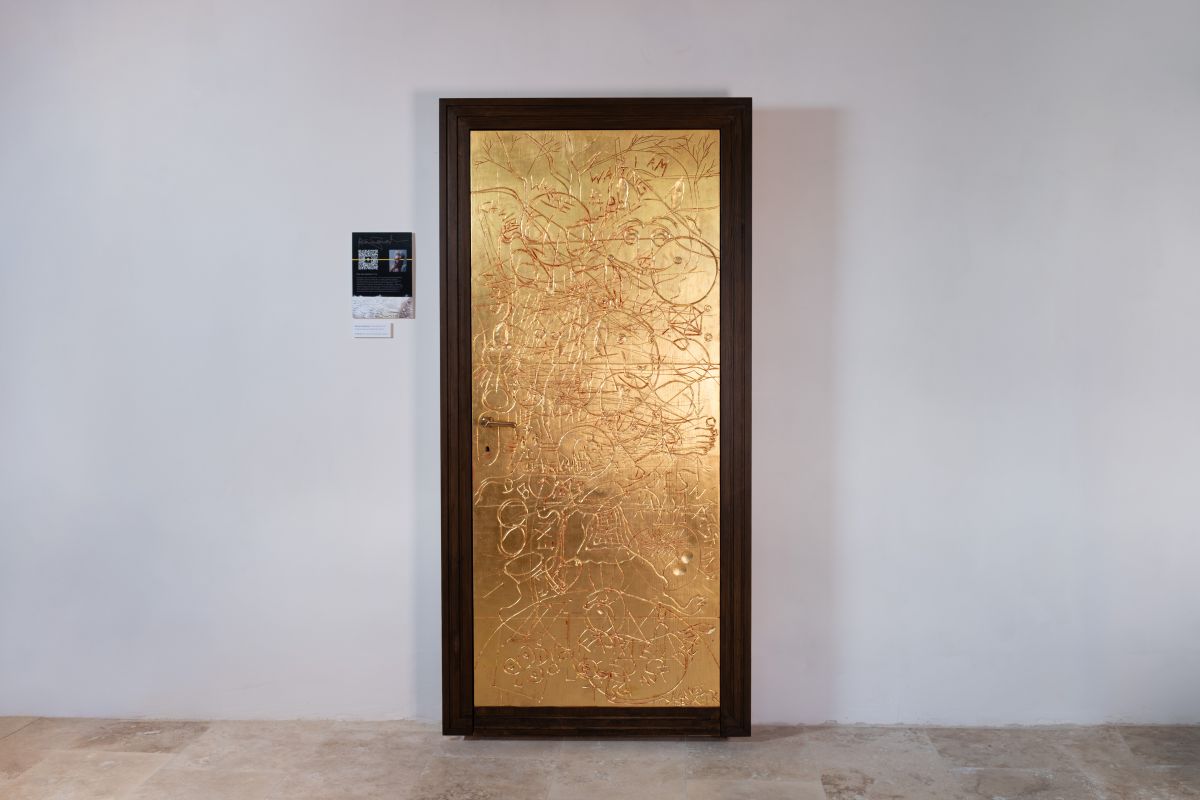
Glass, knockers, handles and letter plates may be small details, but they strongly affect whether a door feels authentic or generic.
Victorian and Georgian doors are not the same
“Period style” covers many different architectural languages. Georgian houses are often associated with symmetry, balanced proportions and restrained classical detailing. Victorian homes vary much more widely and may include decorative glazing, elaborate panels, patterned tiles and expressive ironmongery. A good Victorian front door replacement should therefore respond to the specific building, not simply to a product labelled “Victorian”. Neighbouring houses from the same development can be particularly useful references.
When bespoke makes sense
Where an important original door survives and can be repaired, retaining it may be the better conservation choice. A bespoke replacement becomes especially relevant when a later unsuitable door is being corrected or where replacement is genuinely necessary.
Listed buildings and conservation areas
If the property is listed, check consent requirements before ordering a replacement door. In England, Listed Building Consent may be required where proposed works affect the architectural or historic character of the building. Local authorities may also have specific requirements for replacing historic doors. Properties in conservation areas are different. Replacement may be permitted, but an Article 4 Direction can remove certain permitted development rights, including changes to doors and windows.
Always check with the relevant local planning authority before starting work.
A simple rule for period renovation
Let the architecture respect the house, let the furniture tell your story.
The best renovations preserve continuity rather than creating a perfect replica of the past.
FAQ
Should I repair or replace an original front door?
If an original door is significant and repairable, retention is often preferable. Replacement is more appropriate where the door is beyond viable repair or where an unsuitable later replacement is being corrected.
Do I need permission to replace a listed building front door?
Possibly. Check with your local planning authority before carrying out work.
Can a traditional timber door still offer modern comfort?
Yes. Modern timber doors can combine traditional proportions and materials with improved seals, glazing and construction.
If your renovation has reached the entrance, explore Doorista's handcrafted wooden doors or discuss bespoke dimensions, finishes and designs in a personal consultation with us - we are looking forward to hearing from you!