Pippa Harris’s Cotswolds Home: Dark Green Front Door
13.11.2026
Some English country houses have an effortless sense of history. Their charm comes not from perfect symmetry or elaborate decoration, but from the relationship between natural materials, thoughtful details and architecture that has evolved over centuries.
The Cotswolds home of British film and television producer Dame Pippa Harris is a beautiful example. With interiors redesigned by Emma Burns of Sibyl Colefax & John Fowler, the former rectory combines historic character with a warm, personal approach to country living.
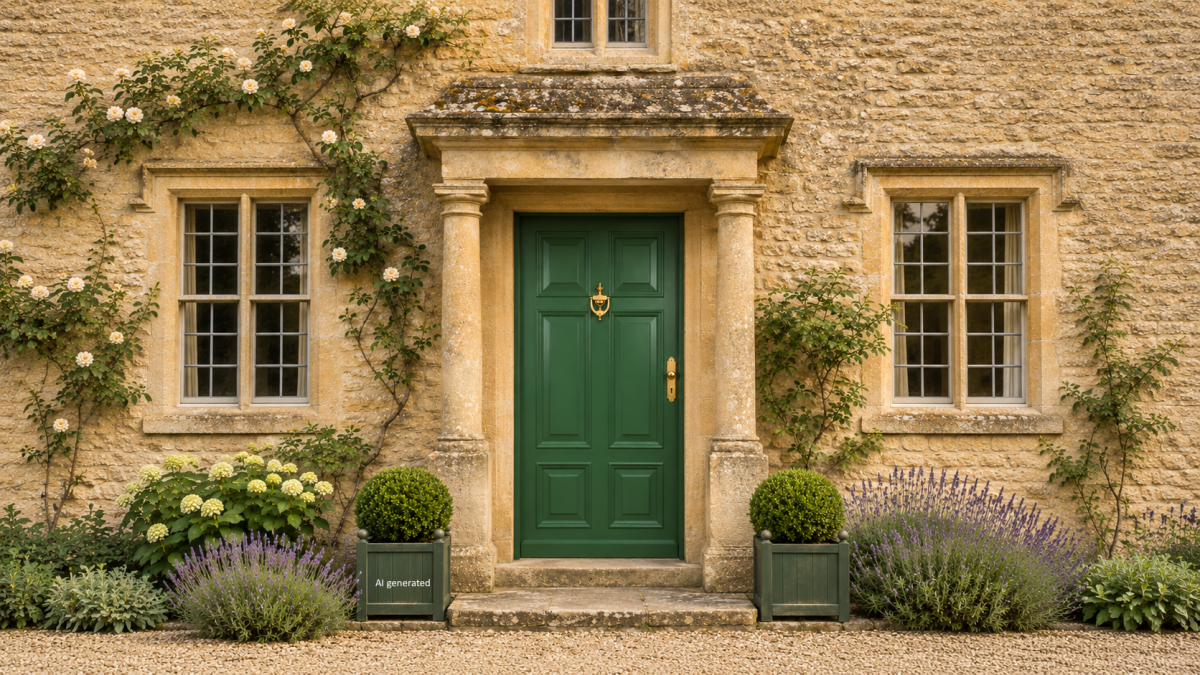
One of its most appealing features can be found before you even step inside: a beautiful dark green front door set beneath a classical stone portico.
Discover the full property in House & Garden’s original house tour.
Inside Pippa Harris’s Cotswolds Country House
Parts of the former rectory date back to the seventeenth century, with a later Georgian addition creating more generously proportioned rooms. Emma Burns approached the interiors with respect for the building's history. Natural colours, layered fabrics, distinctive artworks and carefully considered architectural details give the home a comfortable, collected-over-time atmosphere.
The entrance reflects the same philosophy. Its bottle-green front door stands against pale Cotswold stone, framed by light-coloured classical columns. Rather than competing with the building's architecture, the doorway creates a subtle focal point.
It is an inviting example of traditional English country house design.
Why a Dark Green Front Door Works
A dark green front door has a particular appeal on period properties. The colour feels connected to the landscape, complementing natural stone, brick, climbing plants and traditional windows. Against a pale facade, it creates definition without appearing overly dramatic.
Panelled timber doors are particularly suited to this style. Their depth and proportions introduce architectural interest while retaining a restrained appearance.
A beautifully designed entrance does not need excessive decoration. Often, the most successful details are the simplest.
Get the Look with Doorista Lucca
 | 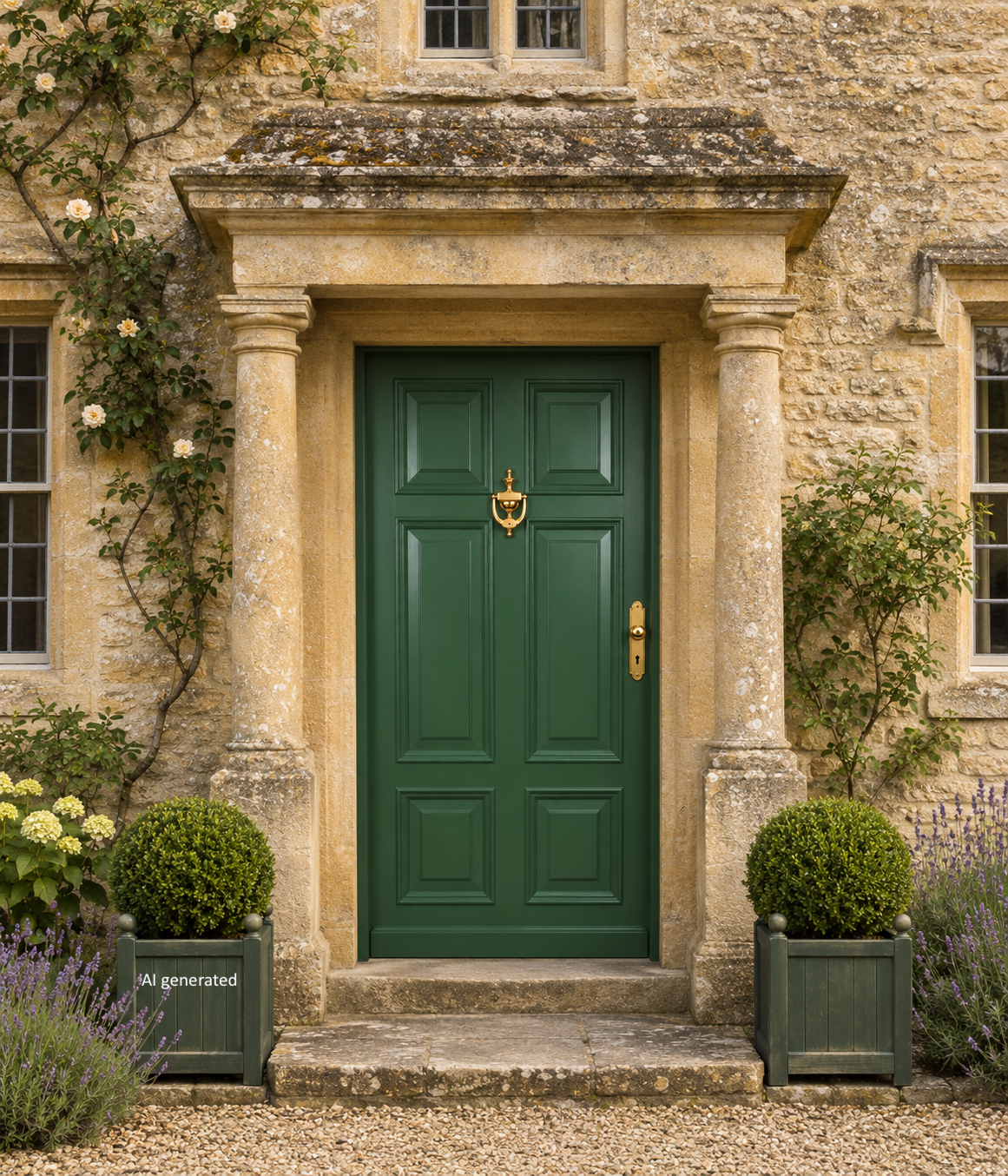 |
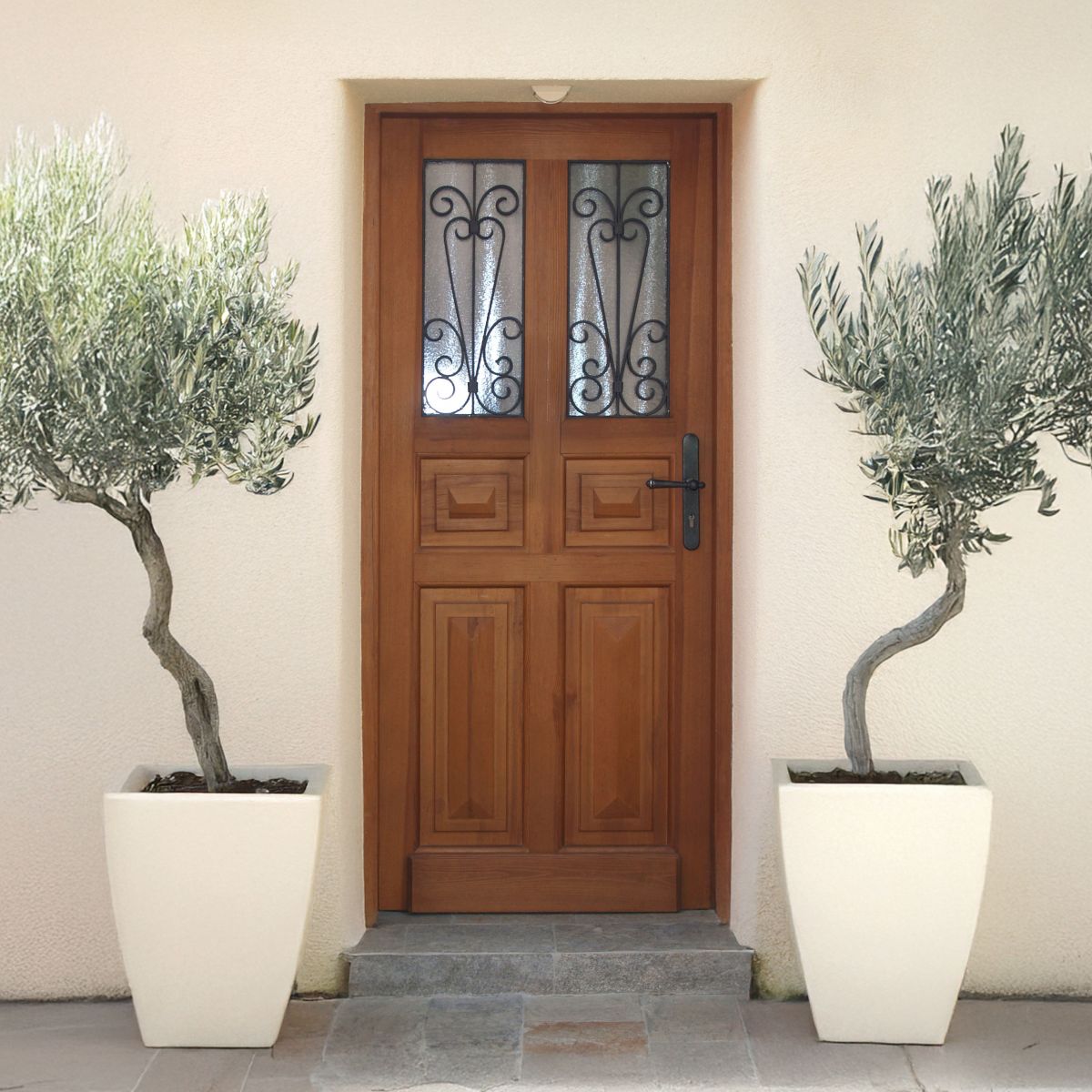
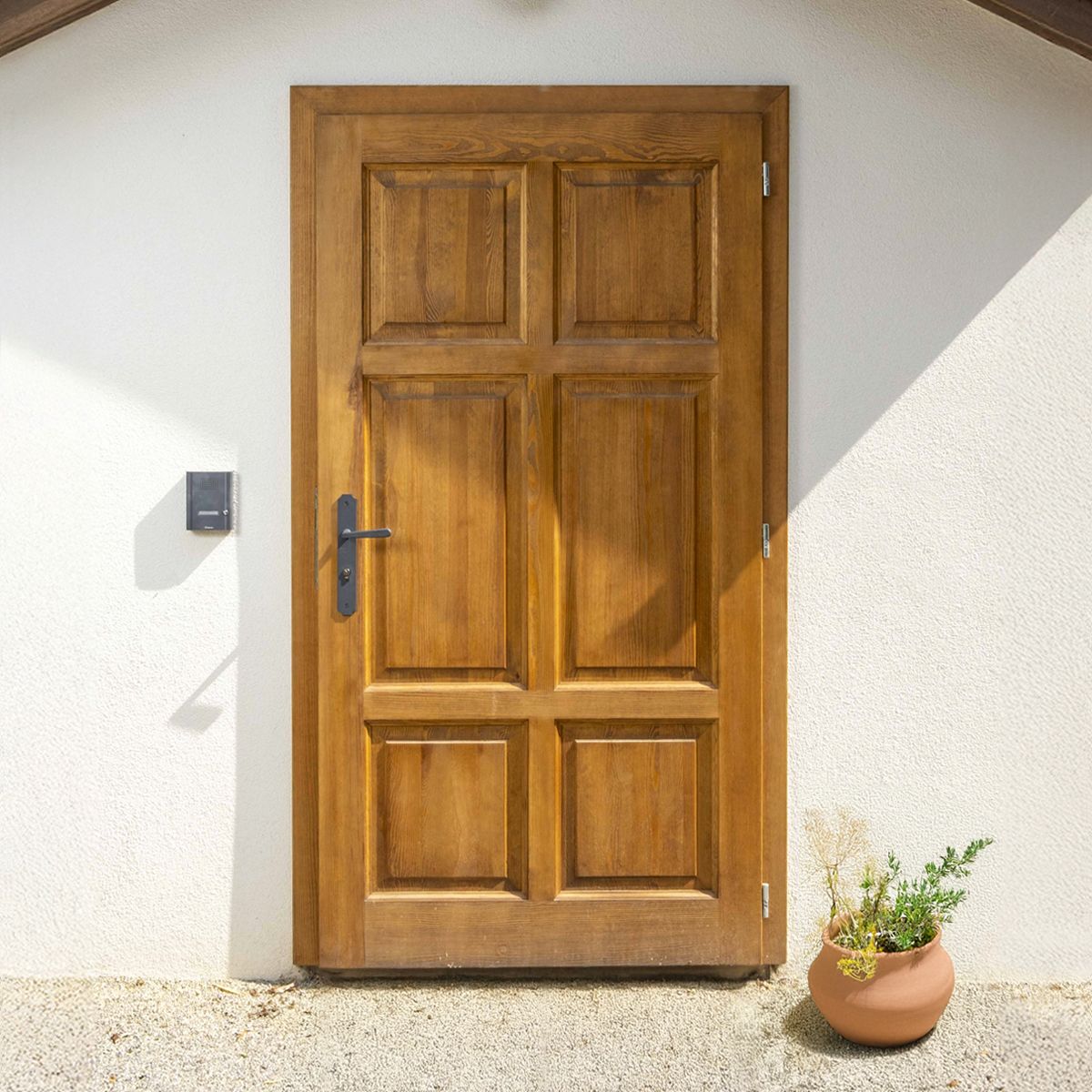
The right picture is AI generated, to get a better idea of how our Lucca door would look in an Cotswold building.
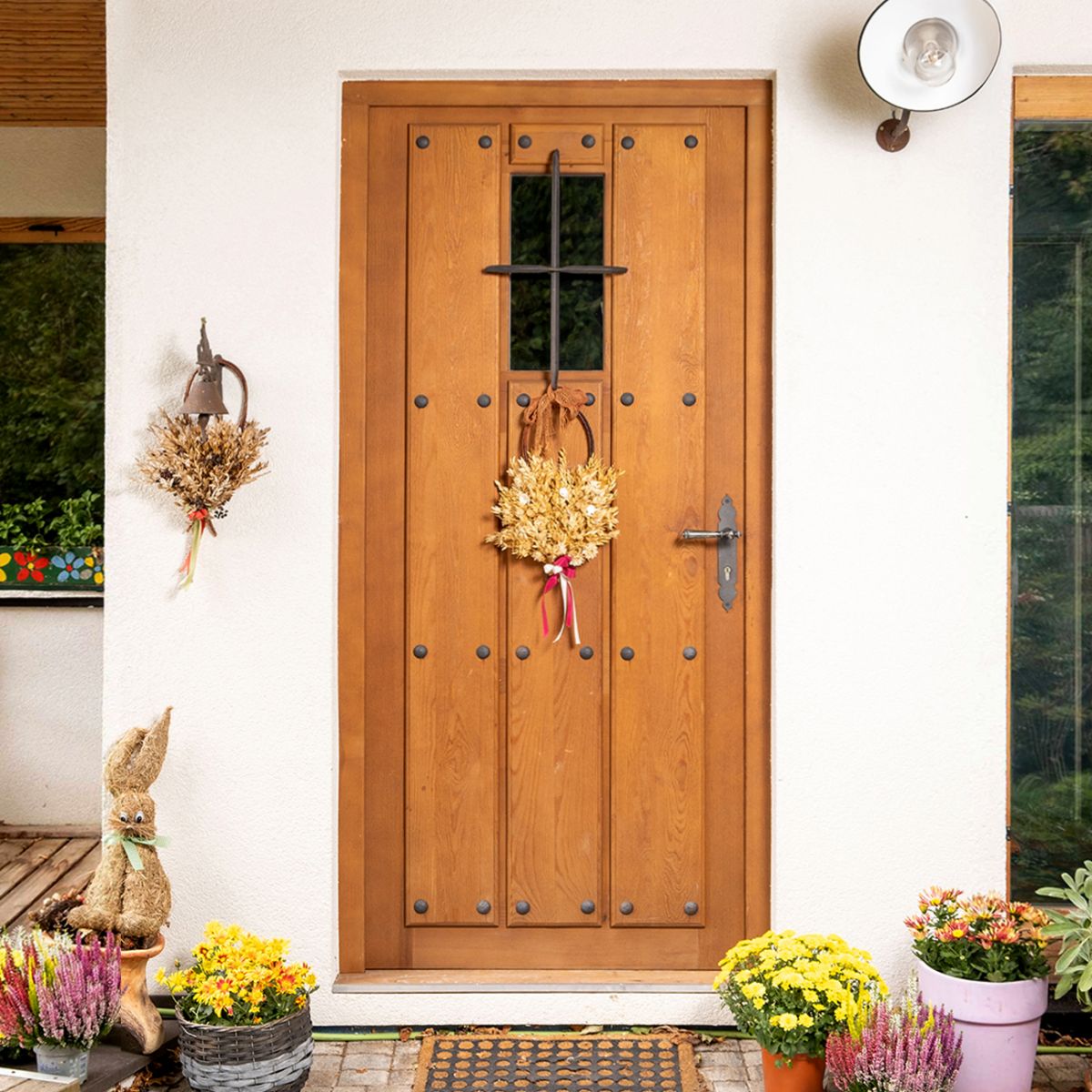
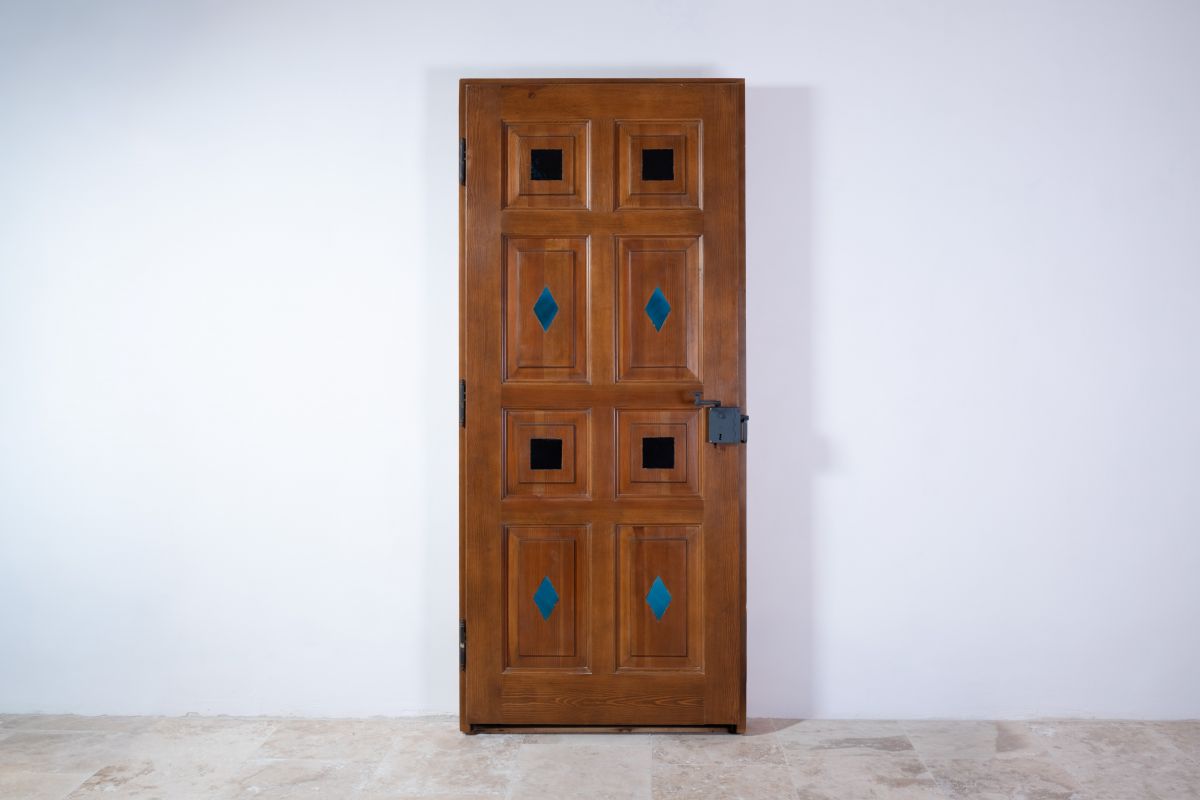
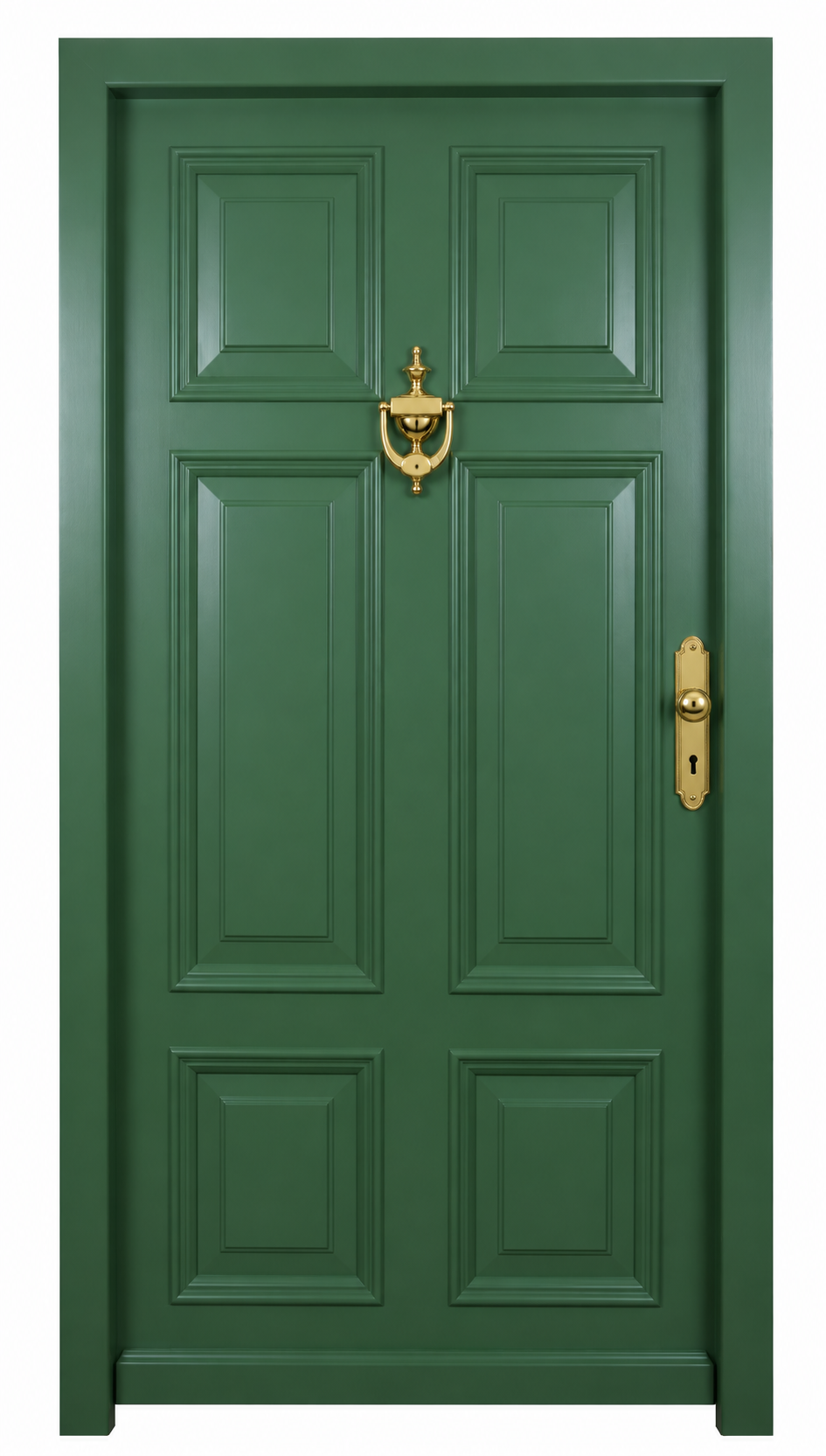
For homeowners inspired by this Cotswolds entrance, the Doorista Lucca solid wood front door offers an elegant starting point. Its traditional six-panel composition has a timeless quality that works particularly well with country houses, Georgian-inspired facades and historic renovations. The standard design is crafted from solid pine and features a classic, fully panelled door leaf.
To create a similar aesthetic, consider four key elements.
Colour: Request a deep bottle-green or forest-green painted finish. Doorista offers bespoke colours, although the final shade and finish should be confirmed during consultation.
Hardware: Choose discreet, traditionally inspired fittings. A brass knob or restrained period-style handle can give the entrance a suitably timeless character.
Glazing: Lucca's standard design does not include glass panels. Keeping the door solid creates a traditional appearance. If additional daylight is essential, discuss a bespoke glazed alternative.
Dimensions: Lucca has standard frame dimensions of 110 × 210 cm. Custom dimensions can be discussed for unusually proportioned entrances.
These choices allow you to capture the spirit of a traditional English front door without attempting to reproduce the original exactly.
Frequently Asked Questions
What front door suits an English country house?
A timber door with traditional panels, balanced proportions and understated hardware is a natural choice. Dark green, muted grey and classic off-white are all worth considering.
Can Doorista create a bespoke green front door?
Yes. Doorista offers custom colours, dimensions and design details through its bespoke service. The final combination is reviewed and quoted individually.
Bring the Country House Look Home
The beauty of the Cotswolds style lies in its timelessness. Whether you are restoring a period house or giving a newer property more character, a carefully chosen timber front door can transform the entire entrance.
Explore Doorista Lucca or read our cottage front door guide to begin planning your own English country house entrance.